Quick Facts
| Gender | Male |
| Age | 12-17 (Naruto), 27- (Boruto) |
| Role | MAIN |
| Series | Naruto |
| Height | 145.3 cm–147.5 cm in Part I; 166 cm in Part II |
| Age | 12–13 in Part I; 15–17 in Part II |
| Birthday | October 10 |
| Blood Type | B |
| Gender | Male |
| Weight | 40.1–40.6 kg in Part I; 50.9 kg in Part II |
| Eye Color | Blue |
| Hair Color | Blond |
| Zodiac | Libra |
| Voice Actor (JP) | |
| Voice Actor (EN) | |
| Favorite Food | Ichiraku ramen and red bean soup |
| Dislikes | Fresh vegetables and waiting for ramen to cook |
| Hobbies | Playing pranks and watering plants |
| Affiliation | Konohagakure; Allied Shinobi Forces |
| Clan | Uzumaki clan |
| Father | |
| Mother | |
| Mentors | |
| Spouse | |
| Children | |
| Adopted Son | |
| Aliases | Number One Hyperactive, Knucklehead Ninja; Child of Prophecy; Hero of the Hidden Leaf |
| Ninja Registration Number | 012607 |
| Academy Graduation Age | 12 |
| Rank | Genin; Seventh Hokage |
| Debut | Naruto chapter 1, “Uzumaki Naruto”; Naruto episode 1, “Enter: Naruto Uzumaki!” |
Contents
Background
Background
Naruto was born in Konohagakure on October 10 to Minato Namikaze, the village’s Fourth Hokage, and Kushina Uzumaki, the jinchūriki of the Nine-Tailed Fox. Soon after his birth, the masked shinobi later identified as Obito Uchiha extracted the fox from Kushina and directed it against the village. Minato and Kushina died protecting their infant son after Minato sealed half of the fox within Naruto. The Third Hokage, Hiruzen Sarutobi, concealed Naruto’s parentage and prohibited villagers from discussing the beast inside him.
Although the order kept younger children from learning the reason for the adults’ resentment, their parents’ hostility passed to them. Naruto grew up without a family and came to associate recognition with belonging. He played pranks, defaced the Hokage Monument and loudly announced his intention to become Hokage, using disruption to force people to acknowledge him even when the attention was negative.
Naruto repeatedly failed the Academy graduation examination because he could not perform the basic Clone Technique. Mizuki manipulated him into stealing the Scroll of Seals, from which Naruto learned the more demanding Multiple Shadow Clone Technique. When Iruka defended him and openly recognized him as a member of the village, Naruto defeated Mizuki and received Iruka’s forehead protector, formally becoming a genin.
He was assigned to Team 7 under Kakashi Hatake with Sasuke Uchiha and Sakura Haruno. Their early missions exposed him to danger beyond classroom exercises, particularly during the Land of Waves assignment against Zabuza Momochi and Haku. Haku’s devotion and Zabuza’s belated grief impressed upon Naruto that shinobi could be treated as tools, strengthening his determination to follow a personal code rather than accept the profession’s cruelties as inevitable.
Personality
Personality
Naruto is energetic, competitive and conspicuously direct. As a child he speaks before thinking, ignores formal etiquette and responds strongly to insults or challenges. His boastfulness often hides insecurity: he wants witnesses to his achievements because much of his childhood was defined by being ignored or treated as a threat.
He is exceptionally persistent. Failure rarely persuades him to abandon a goal, and his repeated declaration that he will not go back on his word becomes the core of what he calls his “ninja way.” This resolve can become recklessness, especially when a friend is endangered, but it also allows him to continue after physical exhaustion, public humiliation or seemingly decisive defeat.
Naruto’s most consequential quality is his empathy for isolated people. His own childhood helps him recognize loneliness beneath hostility in figures such as Gaara, Nagato and Obito. He does not excuse their actions, but he repeatedly tries to understand how they reached them. His willingness to speak with enemies is backed by a readiness to fight when persuasion fails.
His early rivalry with Sasuke mixes envy, admiration and identification. Naruto resents Sasuke’s skill and popularity, yet regards him as one of the first people to understand his loneliness. As Naruto matures, his desire for acknowledgment becomes less self-centred. He begins to pursue strength so that he can protect others, accept responsibility and interrupt the cycle of retaliation that has shaped the shinobi world.
Appearance
Appearance
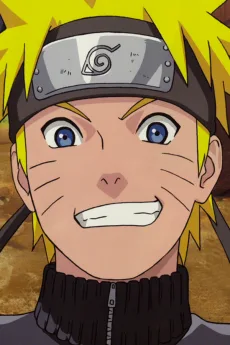
Naruto has spiky blond hair, blue eyes and three whisker-like markings on each cheek. The markings are present from birth and are associated with his exposure to the Nine-Tails’ chakra while in Kushina’s womb. His facial resemblance to Minato becomes more apparent as he grows, while his temperament and expressions are frequently compared with Kushina’s.
In Part I, Naruto wears an orange-and-blue jacket with matching trousers, open-toed sandals and goggles before earning his forehead protector. He initially wears the protector across his forehead, though his hair partly covers its cloth band. His clothing is deliberately bright compared with the subdued uniforms of many shinobi.
After training with Jiraiya, Naruto returns at age fifteen wearing a black-and-orange outfit with a longer jacket and a red Uzumaki spiral on the back. He grows from 145.3 cm near the beginning of Part I to 166 cm in Part II. During sage training, he adds a red cloak and carries a large summoning scroll, producing one of his most recognizable later designs.
His transformations alter his appearance substantially. Nine-Tails chakra first surrounds him as a red, increasingly dense shroud; later forms give him a luminous chakra cloak marked with black patterns. Sage Mode adds orange pigmentation around his eyes and changes his pupils to a toad-like horizontal shape. Six Paths Sage Mode produces cross-shaped pupils and grants a brighter, more elaborate chakra mantle.
Abilities & Powers
Abilities & Powers
Naruto begins with poor technical discipline but immense chakra reserves. His Uzumaki heritage contributes unusual vitality and endurance, while the Nine-Tails provides an additional reservoir that initially emerges under emotional stress. His healing rate and stamina allow him to survive injuries and workloads that would incapacitate most shinobi.
Shadow clones become the foundation of his fighting style. Because physical shadow clones return their experiences to the original when dispelled, Naruto eventually uses them to accelerate training. Hundreds of clones can attack, gather information, prepare techniques or deceive an opponent by constantly changing the true body’s position.
Jiraiya teaches Naruto summoning and the Rasengan. Naruto compensates for initially limited chakra control by using a shadow clone to shape the Rasengan, then develops elemental variations after discovering an affinity for Wind Release. His Wind Release: Rasenshuriken damages targets at a microscopic level, though its early close-range form also injures his own arm.
Training at Mount Myoboku gives Naruto Sage Mode, which blends physical and spiritual energy with natural energy. The form heightens his strength, perception, reflexes and durability while expanding his sensory range. Because remaining still is normally required to gather natural energy, Naruto prepares shadow clones in advance and dispels them to replenish himself during battle.
Naruto’s relationship with the Nine-Tails changes from forced containment to cooperation. After confronting his own hatred and separating the beast’s chakra from its will, he gains Nine-Tails Chakra Mode. Learning the fox’s name, Kurama, and earning its trust gives Naruto access to Tailed Beast Mode and allows the two to fight as partners. Hagoromo Otsutsuki later grants Naruto Six Paths power, enabling flight, exceptional sensory abilities and the use of chakra from all nine tailed beasts.
Named Techniques
Named Techniques
- Multiple Shadow Clone Technique: Creates numerous physical duplicates that can fight independently and return their memories to Naruto when dispersed.
- Naruto Uzumaki Barrage: A coordinated aerial combination performed by Naruto and several shadow clones, adapted after observing Sasuke’s Lion Combo.
- Summoning Technique: Calls toads from Mount Myoboku, including Gamabunta, Gamakichi and Gamatatsu.
- Rasengan: A sphere of rotating chakra developed by Minato and taught to Naruto by Jiraiya; it inflicts powerful internal and rotational damage.
- Big Ball Rasengan: An enlarged Rasengan created through greater chakra output.
- Wind Release: Rasengan: Adds Naruto’s wind nature to the Rasengan and serves as the developmental step toward the Rasenshuriken.
- Wind Release: Rasenshuriken: Forms a spinning mass of wind blades that attacks an opponent’s chakra network on a cellular scale.
- Sage Mode: Uses natural energy to enhance Naruto’s physical abilities, sensory perception and ninjutsu.
- Sage Art: Massive Rasengan: A Sage Mode-enhanced Rasengan expanded to enormous size.
- Frog Kumite: Senjutsu-based taijutsu in which surrounding natural energy extends the effective reach of Naruto’s strikes.
- Nine-Tails Chakra Mode: Covers Naruto in Kurama’s chakra, increasing his speed, strength and sensory capabilities while allowing him to form chakra arms.
- Tailed Beast Ball: Compresses positive black chakra and negative white chakra into a destructive sphere; Naruto can use it through cooperation with Kurama.
- Tailed Beast Ball Rasenshuriken: Combines the structure of a Rasenshuriken with tailed-beast chakra.
- Six Paths Sage Mode: A heightened state granted through Hagoromo’s power, providing flight, advanced perception and command of multiple chakra natures.
- Six Paths: Ultra-Big Ball Rasenshuriken: Naruto’s immense final-battle technique, produced through a shadow-clone Kurama avatar and massive stores of natural and tailed-beast chakra.
- Baryon Mode: A last-resort transformation in which Naruto’s and Kurama’s chakra are consumed as raw material to generate a new form of energy; physical contact also shortens an opponent’s remaining lifespan.
Relationships
Relationships
Iruka Umino is Naruto’s first dependable parental figure. Iruka Umino initially struggles with the fact that the Nine-Tails killed his parents, but he recognizes Naruto as a lonely child rather than as the beast. Naruto later asks Iruka Umino to stand in as his father at his wedding.
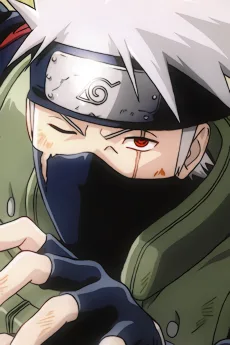
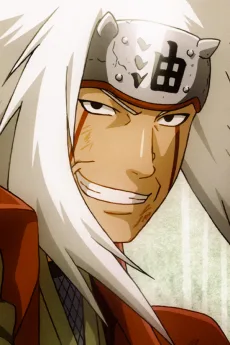
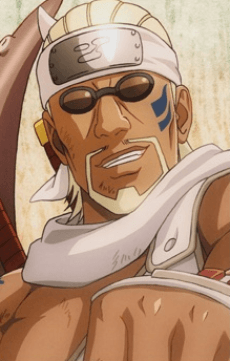
Kakashi Hatake teaches Naruto teamwork and supervises his growth as a member of Team 7. Jiraiya becomes Naruto’s most influential long-term teacher, instructing him in summoning, the Rasengan and control over the Nine-Tails’ chakra. Naruto regards Jiraiya as family, and Jiraiya’s death forces him to confront grief without surrendering to revenge. Fukasaku later trains him in senjutsu, while Killer B teaches him how to face and control his tailed-beast power.
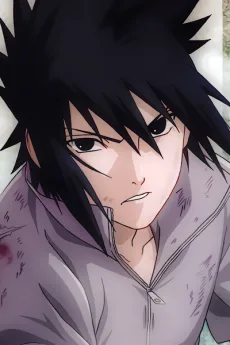
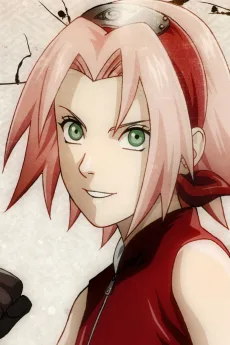
Sasuke Uchiha is Naruto’s teammate, rival and closest peer. Naruto treats Sasuke Uchiha’s departure from the village as a personal failure and refuses to abandon him, even when Sasuke Uchiha becomes an international criminal. Their conflict culminates in a final battle at the Valley of the End, after which both lose an arm and Sasuke finally accepts their bond. Sakura Haruno begins as Naruto’s unrequited crush but becomes a trusted teammate; Naruto respects Sakura Haruno’s abilities and shares her concern for Sasuke Uchiha.
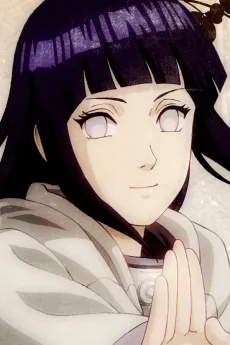
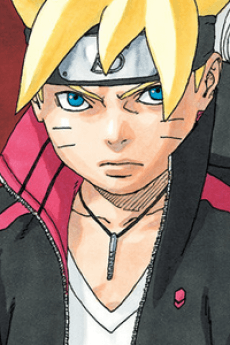
Hinata Hyuga admires Naruto from childhood because his perseverance gives her courage. Naruto is initially unaware of Hinata Hyuga’s feelings, even after she declares her love while protecting him from Pain. Their relationship becomes mutual in The Last: Naruto the Movie, and they marry. Their children, Boruto Uzumaki and Himawari Uzumaki, inherit Naruto’s energetic temperament in different ways. As Hokage, Naruto’s workload strains his relationship with Boruto Uzumaki, but father and son gradually understand one another. Naruto also brings Kawaki into his household and treats Kawaki as family.
Minato Namikaze and Kushina Uzumaki leave Naruto their hopes and their protection, though he does not learn their identities until later. Fragments of their chakra allow each parent to meet him within the seal: Minato helps prevent the Nine-Tails from taking control, and Kushina assists Naruto in subduing its chakra. Naruto’s eventual knowledge of their sacrifices gives him a family history that had been withheld throughout his childhood.
Gaara begins as Naruto’s enemy and counterpart: both are jinchūriki raised under fear and hostility. Naruto’s determination to protect his friends persuades Gaara to seek connection rather than domination, and the two later cooperate as village leaders. Shikamaru Nara grows from a fellow rookie into one of Naruto’s closest advisers, while Konohamaru Sarutobi regards Naruto as both a rival for the Hokage title and a mentor.
Kurama is first Naruto’s involuntary prisoner and a source of dangerous power. Naruto resents Kurama but refuses to treat him merely as a weapon, eventually acknowledging his name and his history of exploitation. Their partnership becomes central to both characters. Kurama later sacrifices his life by withholding the true cost of Baryon Mode from Naruto, knowing Naruto would otherwise refuse to use it.
Among Naruto’s principal enemies, Orochimaru threatens his teammates and exploits Sasuke’s desire for power; Nagato tests Naruto’s rejection of revenge after destroying Konohagakure; Obito Uchiha represents a version of Naruto who surrendered to despair; and Madara Uchiha seeks to end conflict by trapping humanity in illusion. Kaguya Otsutsuki emerges as the final supernatural threat of the Fourth Shinobi World War.
Story Role
Story Role
Naruto’s early story follows his attempt to earn recognition through missions and the Chunin Exams. His victories over figures who dismiss him—including Neji Hyuga—establish his refusal to accept that birth or circumstance fixes a person’s fate. The invasion of Konoha and his battle with Gaara extend that principle to another jinchūriki whose childhood mirrors his own.
Sasuke’s pursuit of vengeance becomes the series’ longest-running personal conflict. Naruto’s first attempt to stop Sasuke at the Valley of the End fails, and he leaves the village to train with Jiraiya. On returning, he confronts the Akatsuki, an organization hunting the tailed beasts, while continuing to search for a way to bring Sasuke home without simply defeating or killing him.
The invasion led by Pain makes Naruto the village’s defender. After mastering Sage Mode, he defeats Pain’s six bodies but chooses to speak with Nagato rather than avenge Jiraiya and the village. Nagato responds by sacrificing himself to restore the people killed during the attack, and Naruto returns to Konoha as an acknowledged hero.
During the Fourth Shinobi World War, Naruto enters the battlefield after mastering Kurama’s chakra and distributes that chakra among the Allied Shinobi Forces. He fights Obito, Madara and ultimately Kaguya alongside Sasuke, Sakura and Kakashi. After sealing Kaguya, Naruto and Sasuke fight once more; their reconciliation ends their private cycle of conflict and helps conclude the war. Naruto later marries Hinata and eventually succeeds Kakashi as the Seventh Hokage.
Character Development
Character Development
Naruto’s initial objective is external recognition. He imagines becoming Hokage as proof that the villagers were wrong to reject him. His first bonds with Iruka and Team 7 begin to change that motive: the title gradually becomes a responsibility to protect the community rather than a prize that will force it to admire him.
His inability to stop Sasuke exposes the limits of determination without understanding. Training makes Naruto stronger, but his later encounters also require him to examine anger, grief and political violence. Jiraiya’s death leaves him tempted by the same hatred that drives Pain, while his confrontation with a manifestation of his own resentment forces him to acknowledge emotions he had hidden beneath optimism.
Naruto’s encounters with other jinchūriki broaden his sense of responsibility. He moves from treating the Nine-Tails as a dangerous source of borrowed strength to recognizing Kurama as an individual. That change reflects a wider rejection of the system that reduces jinchūriki and tailed beasts to military assets.
By the war’s conclusion, Naruto has gained the acknowledgment he once pursued, but he no longer measures belonging through applause alone. His final effort to reconcile with Sasuke accepts pain and shared responsibility rather than demanding submission. As Hokage, he achieves his childhood ambition while facing the less glamorous demands of administration, diplomacy and parenthood.
Etymology
Etymology
“Naruto” is the Japanese name of a sliced, spiral-patterned fish cake commonly served with ramen. The name also evokes the Naruto whirlpools in the strait between Awaji Island and Shikoku. “Uzumaki” means “spiral” or “whirlpool,” reinforcing the pattern that appears in the clan emblem, Naruto’s clothing and the visual design of techniques such as the Rasengan.
Within the story, Jiraiya uses the name Naruto for the hero of his novel The Tale of the Utterly Gutsy Shinobi. Minato and Kushina name their son after that fictional hero because they hope he will inherit the character’s perseverance. Jiraiya therefore becomes Naruto’s godfather as well as the source of his given name.
Creator Masashi Kishimoto carried the name over from an earlier 1997 one-shot whose protagonist was associated more directly with fox mythology. The serialized character retained the fox connection, but the premise was reworked around ninja, villages and the sealed Nine-Tails.
Trivia
Trivia
- Naruto’s ninja registration number is 012607, and he graduates from the Academy at age twelve.
- His verbal tic is dattebayo. The early English anime dub renders it as “Believe it!”, later favoring “you know?” where an equivalent is needed.
- Naruto fails the ordinary Clone Technique but masters the forbidden Multiple Shadow Clone Technique in a single night.
- Despite eventually reaching power comparable to the strongest shinobi in history, he remains a genin throughout the original manga.
- His orange clothing reflects his desire to be noticed and contrasts with conventional ideas of stealth.
- Naruto shares his October 10 birthday with the date of the Nine-Tails’ attack and his parents’ deaths.
- His goggles precede his forehead protector in the first chapter; Kishimoto replaced them partly because drawing the goggles repeatedly was time-consuming.
- Naruto’s favorite ramen shop, Ichiraku, is operated by Teuchi and Ayame, who treat him warmly before he becomes celebrated by the village.
In Other Media
In Other Media
The anime adaptations expand Naruto’s missions, training and village life through original story arcs. These episodes frequently place him with supporting characters who receive limited attention in the manga, though their events do not always align cleanly with the manga’s chronology. Original video animations likewise use Naruto in tournament, comedy and alternate-scenario stories.
Most early theatrical films give Naruto self-contained missions outside the manga narrative. Naruto the Movie: Ninja Clash in the Land of Snow, Legend of the Stone of Gelel and Guardians of the Crescent Moon Kingdom follow the younger version of the character. Later films use his Part II design and abilities.
Road to Ninja: Naruto the Movie places Naruto and Sakura in an alternate world created through genjutsu. There, Naruto encounters living versions of his parents and a hostile counterpart named Menma Uzumaki. The story concentrates on Naruto’s longing for the family life he never experienced.
The Last: Naruto the Movie occupies a canonical position after the Fourth Shinobi World War and develops Naruto’s relationship with Hinata. Boruto: Naruto the Movie and Boruto: Naruto Next Generations present him as the Seventh Hokage and as a father whose public responsibilities interfere with family life.
Naruto is playable in numerous games, particularly the Ultimate Ninja, Ultimate Ninja Storm and Clash of Ninja series. Games commonly offer several versions based on his age and transformations, ranging from the Part I genin to Sage Mode, Kurama-linked forms, Six Paths Sage Mode and adult Hokage variants. He also appears in crossover titles featuring Weekly Shonen Jump characters.
Reception
Reception
Naruto placed highly throughout the manga’s Japanese character popularity polls, taking first place in the first two official polls and remaining among the series’ leading characters in later votes. In the worldwide NARUTOP99 poll conducted for the franchise’s twentieth anniversary, he finished sixth, behind Minato Namikaze, Itachi Uchiha, Sakura Haruno, Shisui Uchiha and Kakashi Hatake.
Critical discussion has often focused on the contrast between his abrasive early behaviour and his capacity for empathy. His bond with Sasuke, his response to Jiraiya’s death and his confrontation with Pain are frequently identified as defining parts of his development. Masashi Kishimoto has described Naruto’s mistakes and feelings of inferiority as important to making him relatable rather than conventionally perfect.
The character became an international emblem of the franchise through his orange costume, forehead protector, running posture, hand signs and cry of “Believe it!” in the early English dub. The backward-armed “Naruto run” became recognizable beyond the series and inspired organized public events, online challenges and widespread imitation.
Naruto has also appeared extensively on licensed clothing, figures, toys, trading cards and promotional collaborations. Statues and public displays in Japan, including installations connected with the Naruto whirlpools and Nijigen no Mori’s franchise attraction, reflect the character’s continuing association with both the series and its real-world namesakes.
Related Characters
 SUPPORTING
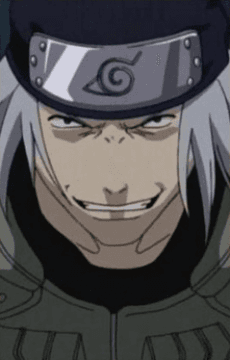
Hiruzen Sarutobi
NarutoThe Third Hokage is a former student of the First Hokage and Second Hokage. Because of his surname, Sarutobi, the First and Second called him "Saru". He is the father of Asuma Saru
 SUPPORTING
Mizuki Touji
NarutoA Chunin level ninja, Mizuki was a former teacher at the Ninja Academy. After Naruto fails to graduate from the Academy, Mizuki tells Naruto that there is another way to graduate,
 SUPPORTING
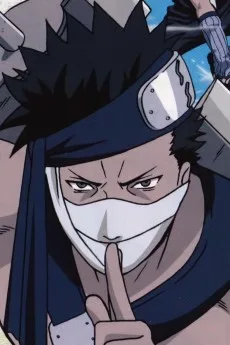
Zabuza Momochi
NarutoZabuza was born in Kirigakure. During one of Kirigakure's annual events of pitting graduating ninja against each other, Zabuza singlehandedly killed all of his peers, bringing an e
 SUPPORTING
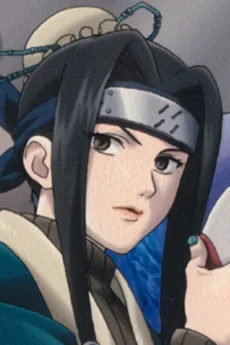
Haku
NarutoThe Country of Mist has had its share of civil wars and has always used their Shinobi with Advanced Bloodlines as the primary weapons. Over time, those with "Advanced Blood&qu
 SUPPORTING
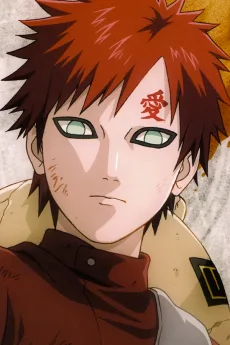
Gaara
NarutoGaara was introduced in the series in Chuunin Exams arc, as a violent shinobi from Konoha's allied country, the Wind country. He came to Konoha with his siblings Temari and Kankuro
 SUPPORTING
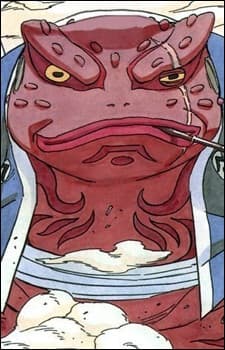
Gamabunta
NarutoGamabunta speaks like a yakuza gangster who won't work with anyone he doesn't respect. Despite this, he is fiercely protective of his children and Naruto, and will fight for their
 SUPPORTING
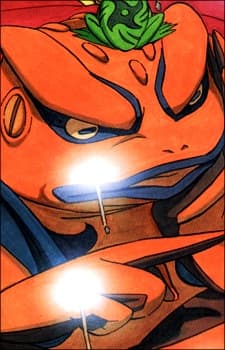
Gamakichi
NarutoGamakichi is one of Gamabunta's children. He was first summoned by Naruto Uzumaki because Naruto couldn't focus his chakra during the beginning of the battle with Gaara. However, h
 SUPPORTING
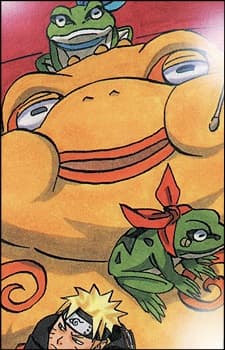
Gamatatsu
NarutoGamatatsu (ガマ竜; Literally meaning "Toad Dragon") is one of Gamabunta's children and Gamakichi's younger brother who has a fixation with snacks. Gamatatsu has shown that he'd choose
 SUPPORTING
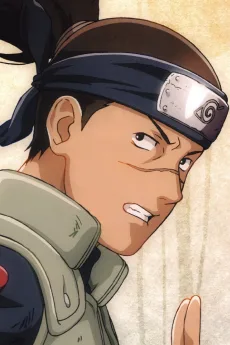
Iruka Umino
NarutoIruka Umino is an instructor at the Ninja Academy, characterized by the distinctive scar across his face that he has had since childhood. The name "Umino Iruka" can be taken as "um
 MAIN
MAINKakashi Hatake
NarutoKakashi Hatake is a shinobi of Konohagakure's Hatake clan. Famed as Kakashi of the Sharingan and the Copy Ninja, he is one of Konoha's most talented ninjas, regularly looked to for
 SUPPORTING
Jiraiya
NarutoJiraiya is one of the three powerful ninjas originated from Konoha (village hidden in the leaves) and trained by the Third Hokage, Hiruzen Sarutobi. His two team mates were Tsunade
 SUPPORTING
Fukasaku
NarutoFukasaku is the husband of Shima and an elder toad from Myōbokuzan. As the heirs of the Great Toad Sage, he and his wife are revered as the Two Great Sage Toads. Together with Shim
 SUPPORTING
Killer Bee
NarutoKiller Bee is a muscle-bound shinobi from Kumogakure and the Jinchūriki of the Eight-Tailed Beast. It is hinted he comes from the Yotsuki clan. He appears to dislike light. He also
 MAIN
MAINSasuke Uchiha
NarutoWhen Sasuke was young his clan was murdered by his older brother, Itachi. With his parents and family now gone his brother spared him and left him to survive by himself. He told Sa
 MAIN
MAINSakura Haruno
NarutoSakura is the only female ninja of Team 7. When she first meets Naruto she is physically weak and has an immense crush on Sasuke. She dislikes Naruto as well. The only thing she's
 SUPPORTING
Hinata Hyuuga
NarutoNinja Registration Nº: 012612 Hyuuga Hinata is the eldest daughter of the Hyuuga clan's main branch. Hinata was trained by her father, Hiashi Hyuuga, to become the clan's heiress,
 SUPPORTING
Boruto Uzumaki
NarutoBoruto Uzumaki is a shinobi from Konohagakure's Uzumaki clan and a direct descendant of the Hyūga clan through his mother. While initially resentful of his father and his absence s
 SUPPORTING
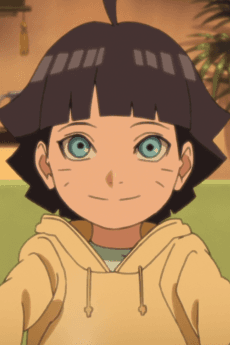
Himawari Uzumaki
NarutoHimawari is the second and youngest child of Hinata and Naruto Uzumaki. Himawari is a cheerful, considerate, and kindhearted individual. She is shown to adore her family, excited t